
About Marine Radios
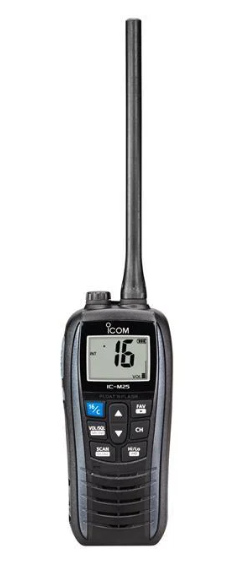
Marine VHF radios are essential on substantial ships and most small seagoing crafts. They are used to prevent collisions and to communicate with rescue services, harbours, marinas, and locks. In some countries, like the United Kingdom, authorization is required to use VHF radios due to misuse of radio frequencies. In the United States, VHF radios can also receive weather radio broadcasts. For sailors, marine VHF radios are indispensable for everyday use. They can be voice-only or include digital selective calling (DSC), which allows for one-touch alerts to nearby boats and ships. DSC marine radios are typically more reliable and have higher transmitter power. Proper operation of a marine radio is mandatory for all vessels. While all vessels must monitor Channel 16, they should switch to a different channel for communication. Using the NATO alphabet, professional words, and the phonetic number system are acceptable methods of communication on a VHF radio. Different countries have different numbers of usable channels, with the United States and Canada having the fewest. Most channels are reserved for the Coast Guard, local government, waterways, and non-commercial vessels. It is important to have a list of all channels and their uses before selecting one on a marine radio.
Go Back