
An Introduction To The Amateur Radio
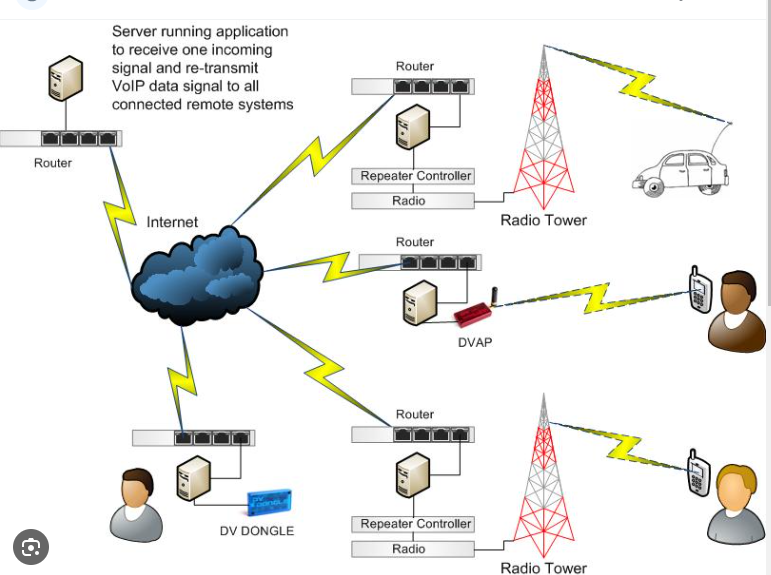
Since ancient times, humans have been fascinated by innovation and communication. From creating fire by striking rocks to using smoke signals to send messages, we have always sought more efficient ways to connect with others. One such innovation is the radio, specifically the HAM radio.
HAM radio enthusiasts have been communicating with like-minded individuals from all over the world since the early 20th century. Whether you set up your radio station on a mountain or in your room, you can easily connect with radio systems worldwide with minimal setup.
The origin of the term 'HAM' is uncertain, but it is widely believed to be derived from the last names of three prominent radio pioneers: Hertz, Armstrong, and Marconi. Another theory suggests that the term originated from the limited number of frequencies available to amateur radio operators, reminiscent of ham being tightly packed into a sandwich.
Regardless of its origin, amateur radio has proven to be a valuable tool in various situations. For example, during the devastating earthquake in the Bay of Bengal in December 2004, over 85,000 people lost their lives and millions were left homeless. However, the death toll could have been much higher if not for the assistance of thousands of HAM operators from Sri Lanka, India, and around the world. They established emergency broadcasting stations and acted as communicators, providing crucial communication when other means failed. Even the Sri Lankan president had no means of communication until a radio tower was set up outside his office for HAM operators to relay messages.
This is just one example of the practical uses of amateur radio. From communicating with astronauts on a space station to saving lives in emergencies, HAM radios offer a wide range of possibilities. They are easy to operate and can be built with minimal materials.
In conclusion, amateur radio has played a significant role in connecting people, providing assistance in emergencies, and offering countless opportunities for communication.
Go Back