
Best Marine VHF Radio: What to Choose
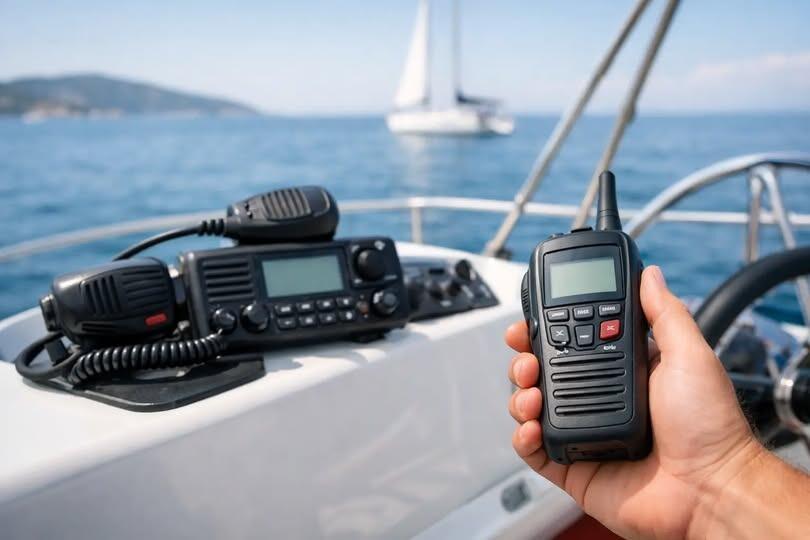
A marine radio only proves its value when conditions turn against you. Spray on deck, engine noise, poor visibility and a busy channel all expose the difference between a set that is merely adequate and the best marine VHF radio for your boat, your cruising area and the way you actually use it. That choice is rarely about buying the most expensive unit on the shelf. It is about getting the right combination of reliability, audio performance, distress capability and installation quality.
For some skippers, a fixed VHF at the chart table with a properly mounted antenna is the clear answer. For others, a waterproof handheld kept charged and ready is just as important, either as a primary set on a small craft or as a backup on a larger vessel. The right answer depends on range expectations, power supply, space, and whether the radio is part of a wider onboard electronics setup.
What makes the best marine VHF radio?
The phrase best marine VHF radio means different things depending on the vessel and operating conditions. A day sailor on sheltered coastal waters will not judge a radio by the same criteria as a commercial operator, an angler working offshore, or a cruising yacht owner fitting out for longer passages.
Even so, a few fundamentals matter in every case. The set needs dependable DSC capability, clear transmit and receive audio, sensible controls, and construction that stands up to the marine environment. A radio can offer a long feature list, but if the speaker is weak in wind and engine noise or the menu system is awkward when you need to act quickly, those extra functions do not help much.
Build quality matters more than many buyers expect. Buttons, rotary controls, microphone clips and connectors all take abuse onboard. Salt atmosphere and vibration shorten the life of poor equipment quickly. Reputable marine brands tend to justify their price through better sealing, more consistent performance and stronger long-term support.
Fixed or handheld: choosing the right type
The first real decision is whether you need a fixed set, a handheld, or both.
Fixed marine VHF radios
A fixed VHF remains the strongest option for most coastal and offshore use. It benefits from the vessel's power supply and, crucially, from an external antenna mounted at height. That combination gives better range than any handheld can realistically match. If reliable contact with marinas, harbour authorities, nearby vessels and emergency services is a priority, a fixed set should usually be the main station.
Fixed sets also tend to offer better audio, larger controls and easier DSC integration. Many current models include GPS input or built-in GPS, making distress calling more straightforward and reducing reliance on external equipment.
Handheld marine VHF radios
A handheld is often chosen for tenders, kayaks, paddle craft, small open boats and as an emergency backup. Its great strength is portability. You can keep it with you on deck, in a grab bag or in the tender, and it remains useful even if the vessel loses power.
The trade-off is range and endurance. A handheld's antenna is shorter and lower, and battery management becomes part of the job. That does not make handhelds secondary in every case. On a small craft operating close inshore, a good floating handheld with DSC and GPS may be exactly the right solution. But buyers should be realistic about what a compact unit can and cannot do.
Features worth paying for
Not every premium feature is essential, but a few are hard to ignore if you want dependable operation.
DSC and GPS
Digital Selective Calling is no longer a luxury feature. It is central to modern marine safety practice. A DSC-equipped set allows direct distress alerting and selective calling, but only works properly when programmed and connected to a valid MMSI and position source. Many buyers now sensibly favour radios with built-in GPS because installation is simpler and one failure point is removed.
Clear audio
This sounds obvious, yet it is one of the biggest quality differences between models. Strong speaker output, good microphone performance and effective noise rejection matter every time conditions deteriorate. Paper specifications do not always show this well. In practice, the best sets are the ones you can hear and use without strain.
Waterproofing and flotation
For handhelds, waterproofing is essential and flotation is highly desirable. If a set goes overboard during a transfer or in rough weather, floating capability can be the difference between a recoverable mistake and a lost radio. Some models also add a flashing light when immersed, which is genuinely useful in poor light.
Ease of use
A marine radio should not need too much thought when you are busy. Channel changes, volume, squelch and distress functions should be easy to access. Oversized buttons and a clear display can matter more than fashionable menu extras.
AIS and networking
On some fixed sets, integrated AIS receiver functions or NMEA connectivity can add real value. If the radio is part of a broader navigation and safety setup, these features can reduce equipment duplication and improve situational awareness. If your vessel has no need for that level of integration, there is little benefit in paying for it.
The installation question matters more than many realise
Buyers often compare radios closely and then underestimate the effect of installation. A very capable fixed VHF paired with a poor antenna, weak coaxial cable or a badly chosen mounting position will disappoint. In many cases, disappointing VHF performance is not a radio problem at all.
Antenna height has a direct effect on practical range. Cable losses matter. Power supply quality matters. So does the location of the set itself, especially if the speaker will compete with engine and weather noise. If you are fitting a fixed unit, the radio, antenna and installation should be treated as one system.
This is where specialist support has real value. Matching the set to the boat, selecting the right antenna and checking compatibility with GPS or chart plotter equipment often saves more trouble than chasing a small difference in headline price.
Best marine VHF radio for different users
The right radio becomes clearer when viewed by use case rather than by brand alone.
Small leisure craft and tenders
If space is limited and the craft is used close inshore, a handheld with floating waterproof construction may be enough. Prioritise battery life, grip, speaker clarity and simple operation. DSC and built-in GPS are worth considering if the budget allows.
Coastal cruising yachts and motorboats
For most owners in this category, a fixed DSC radio with either built-in GPS or reliable GPS input is the sensible starting point. Add a handheld as backup, particularly if you use a tender or want a second station on deck.
Offshore users and serious anglers
Range, audio quality and installation standard become more important as operating distance increases. A high-quality fixed set with an efficient antenna system should be treated as core equipment. Backup communications should not be an afterthought.
Commercial and operational users
Durability, channel management, microphone quality and dependable service support often matter more than cosmetic design. Equipment that can be maintained properly, and supported after purchase, has a practical advantage over a cheaper set that becomes difficult to repair or replace in a hurry.
Brand matters, but support matters as well
Marine VHF is one of those categories where established manufacturers usually earn their reputation. Icom, Standard Horizon, Cobra and others each have strong products, but the right model still depends on the job. One brand may offer especially strong handhelds, another may suit fixed installations with wider system integration.
That is why product choice should not be made on brand recognition alone. Availability of accessories, replacement batteries, compatible microphones and technical support all affect long-term value. Buying from a specialist such as Radioworld UK can make that process far more straightforward, particularly if you need advice on installation, compatibility or servicing rather than simply a boxed radio.
Common buying mistakes
The most common error is choosing on price alone. Marine radios are safety equipment, not casual electronics. Saving a small amount upfront can mean poorer audio, weaker build quality or fewer practical safety features.
Another mistake is overbuying features that will never be used while neglecting the basics. If the radio is difficult to mount properly, awkward to operate in gloves, or dependent on a complicated wiring arrangement that never gets finished, the specification sheet has not helped.
A third issue is assuming all waterproof ratings and all batteries are equal. They are not. Handhelds vary noticeably in battery life, charging convenience and real-world durability. If the radio is expected to sit in a damp cockpit locker for weeks and still work when needed, build quality is worth paying for.
So which marine VHF radio should you buy?
If you want the best marine VHF radio, start with your boat size, where you operate, and whether the set is primary safety equipment or backup. For most coastal boats, a fixed DSC radio with GPS capability and a properly installed antenna is the soundest choice. For small craft, tenders and backup use, a quality handheld with strong waterproofing and flotation is often the better fit.
The better question is not which radio has the most features. It is which radio you can rely on when the weather worsens, the workload rises and communication needs to be immediate. Buy for the conditions you actually face, and if there is any doubt, get advice from people who understand radio systems rather than just product listings.
Go Back